

 Feed back
 Privacy Policy
In today's interconnected world where food traditions cross borders, the significance of Halal food and Kosher diet remains undiminished. These time-honored religious food laws, practiced by millions worldwide, continue to shape cultural identities, ethical consumption, and global food markets. This comprehensive analysis explores why these ancient dietary codes maintain relevance in our modern, secular societies.
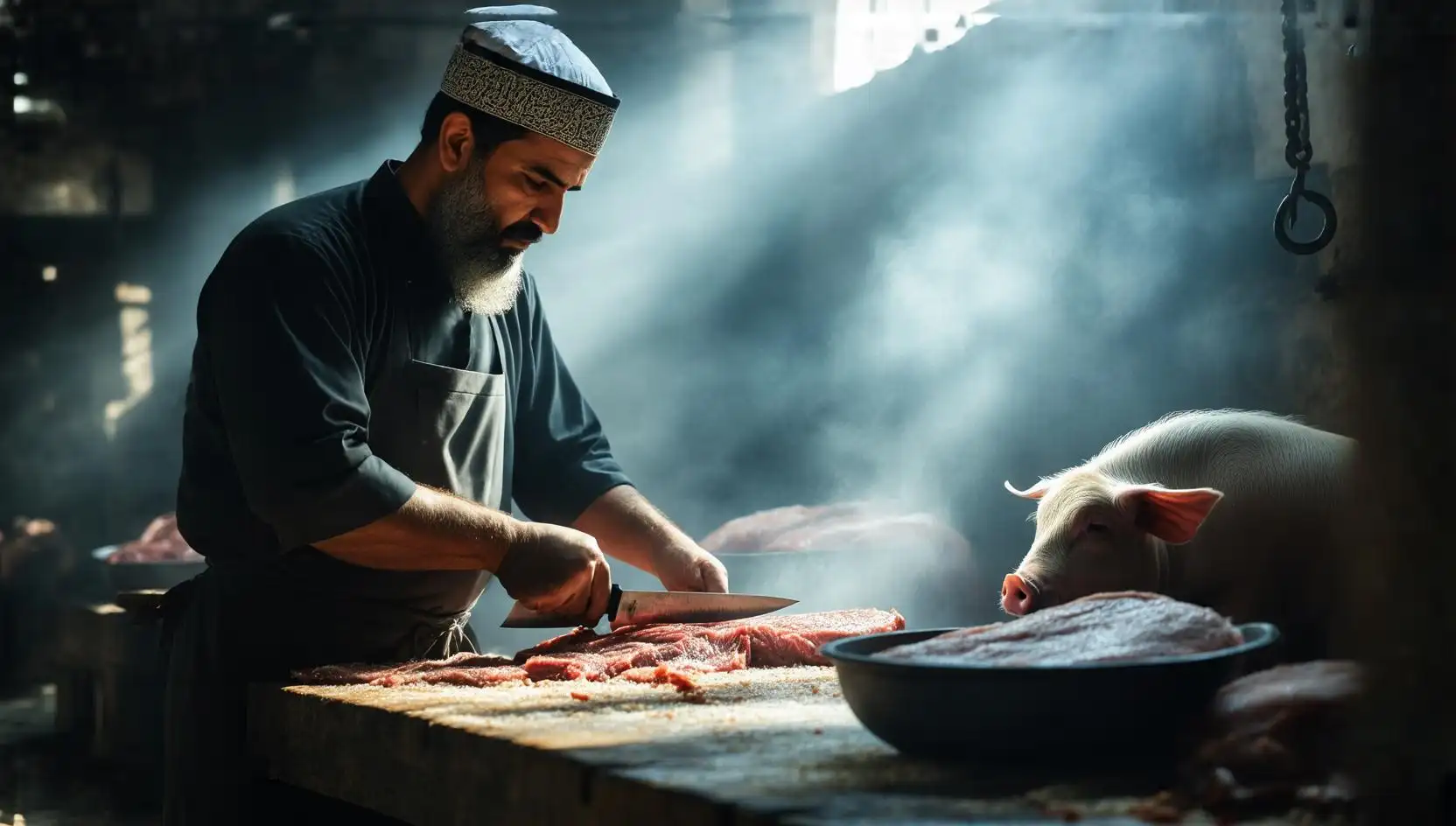
The Quran (2:173) clearly defines the principles of Halal food: "He has only forbidden to you dead animals, blood, the flesh of swine, and that which has been dedicated to other than Allah." This divine injunction establishes the core framework for permissible foods in Islam. The Prophet Muhammad's teachings further elaborate on proper slaughter methods (Zabiha) requiring humane treatment and complete blood drainage.
Leviticus 11 and Deuteronomy 14 form the biblical foundation for Kosher diet regulations. These texts specify permitted animals (those that chew cud and have split hooves), fish (with fins and scales), and the complete separation of meat and dairy products. The Talmud's extensive commentary created the detailed Jewish dietary guidelines observed today.
Both traditions emphasize humane slaughter - Dhabiha in Islam and Shechita in Judaism. According to the 2022 Global Islamic Economy Report, the Halal food market reached $2.02 trillion, while Kosher-certified products generated $24 billion (ResearchAndMarkets, 2023). These figures demonstrate the significant economic impact of religious food laws in global commerce.
In Muslim-majority nations, Halal food constitutes the default standard, while Jewish communities maintain intricate kosher kitchens with separate utensils for meat and dairy. The Pew Research Center (2021) notes that 92% of U.S. Muslims consider Muslim dietary restrictions important to their religious identity.
With 3.45 million Muslims and 7.5 million Jews in America (Pew, 2021), major cities have developed extensive networks of certified food providers. France's 5.7 million Muslim population has similarly driven demand for Halal food options despite the country's secular policies.
For younger generations, maintaining Kosher diet or Halal food practices serves as both spiritual observance and cultural connection. U.S. college campuses now routinely offer certified meal options, reflecting growing institutional recognition of these religious food laws.
The Islamic Food and Nutrition Council of America (IFANCA) and Orthodox Union (OU) maintain rigorous certification standards. Market projections indicate 12.3% annual growth for Halal food certification through 2030 (ResearchAndMarkets, 2023), while Kosher diet products attract both Jewish and health-conscious consumers.
France's debates over ritual slaughter highlight tensions between animal welfare concerns and religious freedom. Meanwhile, blockchain technology emerges as a solution to verify authentic Halal food and Kosher diet certifications in global supply chains.
Approximately 20% of U.S. consumers regularly purchase kosher products, with only 8% doing so for religious reasons (OU, 2022). This demonstrates how Jewish dietary guidelines have transcended their original context to represent broader quality standards.
Plant-based meat alternatives and lab-grown proteins now seek Halal food and Kosher diet certification. Companies like Beyond Meat report 40%sales growth in Muslim-majority markets after obtaining halal certification (2023 company report).
Younger Muslims and Jews increasingly adapt traditional practices to modern lifestyles. A 2023 survey revealed 68% of Jewish millennials maintain some Kosher diet practices, though often with personal modifications.
Educational initiatives and interfaith dialogue can foster greater understanding of religious food laws. Policy frameworks that balance religious accommodation with food safety standards will be crucial for harmonious multicultural societies.
【Disclaimer】The content regarding is provided for informational purposes only and does not constitute professional advice in any related field. Readers should make decisions based on their individual circumstances and consult qualified professionals when necessary. The author and publisher disclaim any liability for actions taken based on this content.
Ethan Rivers
|
2025.09.15


